Skip to content

Desk Phones vs Softphones
In today’s fast-paced world, communication is key to any successful business. As technology evolves, businesses face the decision of which communication tools best fit their needs. Two popular options are desk phones and softphones. But which one should you choose? Let’s explore the differences between desk phones and softphones and find out which is the right fit for your business. As businesses continue to navigate the complexities of modern communication, understanding the distinct features and limitations of these options can significantly impact efficiency and productivity.
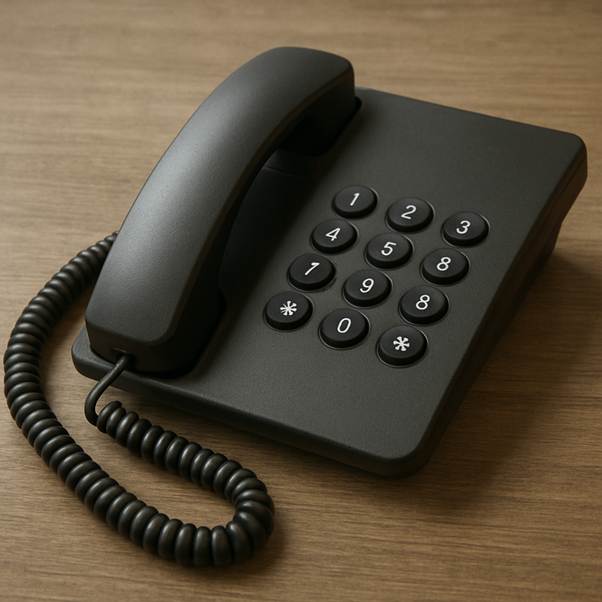
Desk phones are traditional, physical telephones that sit on
your desk. They have been around for decades and are known for their
reliability and ease of use. These devices have been a staple in business
communication, providing a tangible and straightforward way to manage calls.
Despite the advancements in technology, desk phones remain a preferred choice for many businesses for their business phones due to their proven track record of reliability.
Features of Desk Phones
Desk phones are equipped with physical buttons, a handset, and sometimes even a digital display. They are connected to a phone line or a VoIP (Voice over Internet Protocol) network. The durability of desk phones makes them a long-lasting investment, ensuring that businesses can rely on them for years without frequent replacements. Furthermore, the sound quality offered by desk phones is unparalleled, providing clear and uninterrupted communication, which is crucial for maintaining professional interactions.
- Durability:
Desk phones are built to last, making them a reliable choice for
businesses. Their robust construction means they can withstand the wear
and tear of everyday use, reducing the need for constant repairs or
replacements.
- Sound
Quality: They generally provide excellent sound quality, which is crucial
for clear communication. This clarity ensures that misunderstandings are
minimised, fostering better business relationships and customer
satisfaction. - Simplicity:
Desk phones are easy to use, with straightforward buttons and functions.
Their user-friendly design means that employees can quickly learn how to
use them without extensive training, saving time and resources.
Limitations of Desk Phones
While desk phones offer many advantages, there are also some
limitations to consider. One major drawback is their lack of mobility; users
are tethered to their desks, which can hinder productivity, especially in
today’s dynamic work environments. Additionally, the cost associated with
installing and maintaining desk phones can be prohibitive for smaller
businesses or those looking to scale quickly.
- Mobility: Desk business phones are stationary, which means you need to be at your desk to use them. This limitation can be a significant drawback for businesses that require employees to move around frequently or work remotely.
- Cost:
They can be expensive to install and maintain, especially if you need
multiple lines for a large office. This can strain budgets, particularly
for start-ups or small businesses looking to minimise expenses. - Limited
Features: Compared to modern technology, desk phones may lack advanced
features that could benefit your business. As communication needs evolve,
the inability to integrate with other digital tools can be a disadvantage.
What Are Softphones?
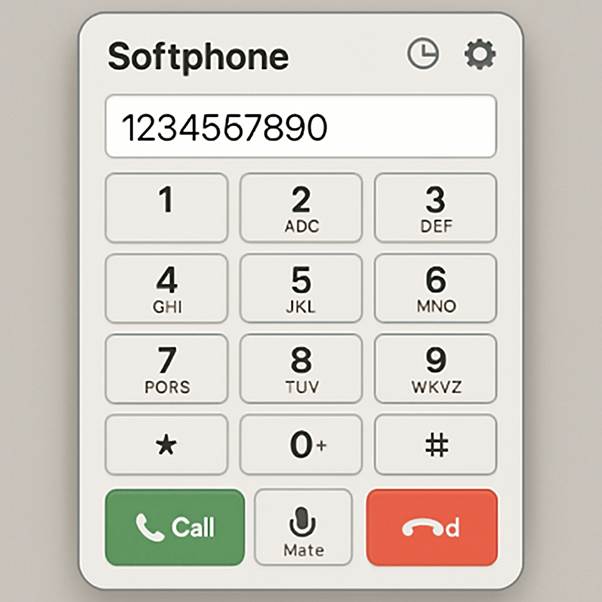
Softphones are software-based phones that run on your
computer or mobile device. They use VoIP technology to make and receive calls
over the internet. This technological advancement allows for greater
flexibility and adaptability in how businesses manage communication.
As more companies adopt remote and hybrid work models, the
versatility of softphones becomes increasingly appealing.
Features of Softphones
Softphones offer a wide range of features that make them an
attractive choice for businesses looking for flexibility and
cost-effectiveness. Their adaptability allows businesses to easily scale their
communication systems as needed, accommodating growth without significant
investment in hardware. Moreover, the integration capabilities of softphones
with other software tools enhance their functionality, making them a powerful
component of modern business communication strategies.
- Flexibility:
You can use a softphone on any device with internet access, allowing you
to make calls from anywhere. This is particularly beneficial for
businesses with remote workers or those that require employees to travel
frequently. - Cost-Effective:
Softphones are generally more affordable than desk phones since they don’t
require additional hardware.
This cost efficiency makes them an ideal choice for startups
or businesses operating on tight budgets.
- Advanced
Features: Many softphones come with features such as video calling,
instant messaging, and call recording. These features enable more dynamic
and interactive communication, enhancing collaboration and productivity.
Drawbacks of Softphones
Despite their many benefits, softphones also have some
drawbacks. The reliance on a stable internet connection can be a significant
hurdle, especially in areas with unreliable service. Additionally, while
softphones offer a wealth of features, the initial setup and learning curve can
be daunting for some users, particularly those less familiar with technology.
- Dependence
on Internet: Softphones require a stable internet connection to function
properly, which can be a problem if your internet is unreliable.
Connectivity issues can lead to dropped calls or poor sound quality,
affecting communication efficiency.
* Sound Quality: The sound quality of softphones can vary
depending on your device and internet connection. Investing in quality headsets
and ensuring a robust internet service can mitigate these issues but may
increase costs. * Learning Curve: Some users might find softphones more
complicated to set up and use compared to traditional desk phones. Providing
adequate training and support can help ease this transition, ensuring all team
members are comfortable with the technology.
Desk Phones vs Softphones: Making the Right Choice

by Jens Lelie (https://unsplash.com/@madebyjens)
When deciding between desk phones and softphones, consider
the needs of your business and the way your team communicates. Analysing your
business’s communication patterns, budget constraints, and workforce dynamics
can provide insight into which option will offer the most value.
The decision should be guided by both current needs and
future growth plans, ensuring that the chosen solution remains effective as
your business evolves.
Key Considerations
- Mobility
Needs: If your team frequently works remotely or travels, softphones offer
the flexibility to communicate from anywhere. This mobility can
significantly enhance productivity by allowing employees to remain
connected regardless of location. - Budget:
Softphones generally have lower upfront costs, making them a
cost-effective option for smaller businesses or start-ups. However, it’s
essential to also consider long-term costs associated with internet
service and potential upgrades. - Technology:
If your team is tech-savvy and comfortable using new software, softphones
might be a better fit. Their advanced features and integration
capabilities can be leveraged to optimise communication and collaboration.
Reliability: If you prioritise consistent sound quality and
reliability, especially in an office setting, desk phones may be the way to go.
Their steadfast performance ensures that communication remains seamless, which
is crucial for customer-facing roles.
Industry-Specific Needs
- Customer Service: Businesses that handle a high volume of calls might benefit from
the reliability and sound quality of desk phones. In industries where
communication clarity and dependability are paramount, traditional desk
phones can provide the necessary assurance. - Remote Work: Companies with a remote or hybrid workforce can take advantage of
the flexibility offered by softphones. This adaptability allows for better
management of a distributed team, ensuring everyone stays connected and
engaged regardless of physical location.
Final Thoughts
In the debate between desk phones and softphones, there’s no one-size-fits-all answer.
Each option has its own set of advantages and drawbacks. The key is to assess your business’s specific needs and choose the solution that aligns with your communication requirements. By understanding the differences between desk phones and softphones, you can make an informed decision that supports your team’s productivity and communication efforts.
Whether you opt for the traditional reliability of desk phones or the modern flexibility of softphones, the right choice will help your business stay connected and efficient. As technology continues to evolve, regularly reassessing your communication tools can ensure that your business remains competitive and well-equipped to meet future challenges.