Skip to content
Understanding the Basics of SIP Protocol
In today’s fast-paced world of communication, the Session Initiation Protocol (SIP) plays a vital role in enabling voice and video calls over the internet. The shift from traditional telephony to internet-based communication has significantly transformed how we interact, making SIP an integral part of this evolution. It provides the foundation for various communication services, such as business phones, ensuring seamless connectivity and interaction in a digital-first world. But what exactly is SIP, and how does it work? In this article, we’ll break down the basics of the SIP protocol, explore how it functions, and delve into the concept of SIP trunks and their significance in modern communication systems.

Session Initiation Protocol, or SIP, is a signalling protocol used to initiate, maintain, and terminate real-time sessions that involve video, voice, messaging, and other communications applications and services between two or more endpoints on IP networks. It serves as a standardised way to establish communications, ensuring that different systems and devices can interoperate smoothly. Simply put, SIP is the backbone of internet telephony, enabling communication sessions between users. Its flexibility and scalability have made it the protocol of choice for many communication service providers and enterprises.
SIP’s role extends beyond just initiating calls. It also manages the negotiation of media parameters, ensuring that both parties in a call can communicate using compatible media formats.
Additionally, SIP supports the integration of various multimedia services, such as VOIP Phones, allowing for a rich communication experience that includes video conferencing, instant messaging, and more. This versatility is what makes SIP a cornerstone of modern IP-based communication systems.
How Does Session Initiation Protocol Work?
SIP operates at the application layer of the OSI model and is responsible for setting up and ending communication sessions. It acts as the glue that holds the session together, coordinating the exchange of information and ensuring that communication flows smoothly. Here’s how it typically works:
Session Initiation: When a user wants to make a call or start a session, SIP initiates the process by sending a request to the recipient’s device. This request is known as an INVITE message. The INVITE message is crucial as it signals the intent to establish a session and sets the wheels in motion for the rest of the communication process.
Session Description: The INVITE message includes a session description, detailing the media capabilities of the calling party. This allows the recipient to understand the type of session being requested, such as a voice call or video chat. This step is essential for compatibility, ensuring that both parties can agree on the media formats and codecs to use during the session.
Session Negotiation: The recipient’s device responds to the INVITE message with a response code, indicating whether the session can proceed. If accepted, the session parameters are negotiated, and both parties agree on the media formats and other details. This negotiation process is dynamic and can adapt to changes in network conditions or user preferences, making SIP a robust protocol for real-time communication.
Session Management: Once the session is established, SIP manages the exchange of media streams, ensuring smooth communication between the endpoints.
It handles tasks such as codec negotiation and session state maintenance. SIP also supports features like call transfer, call hold, and call forwarding, enhancing the overall communication experience. 5. Session Termination: At the end of the communication, SIP terminates the session by sending a BYE message, signalling the end of the call or session. This orderly termination ensures that network resources are freed up and that both parties are aware that the communication has ended.
What is a SIP Trunk?

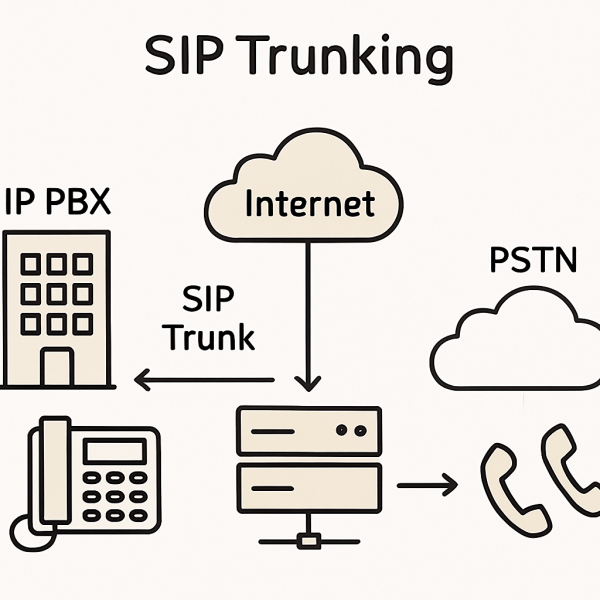
In the realm of SIP communication, SIP trunks are crucial components. A SIP trunk is a virtual version of an analogue phone line, allowing businesses to make and receive phone calls over the internet. It provides a bridge between the digital world of IP-based communication and the traditional telephone network.
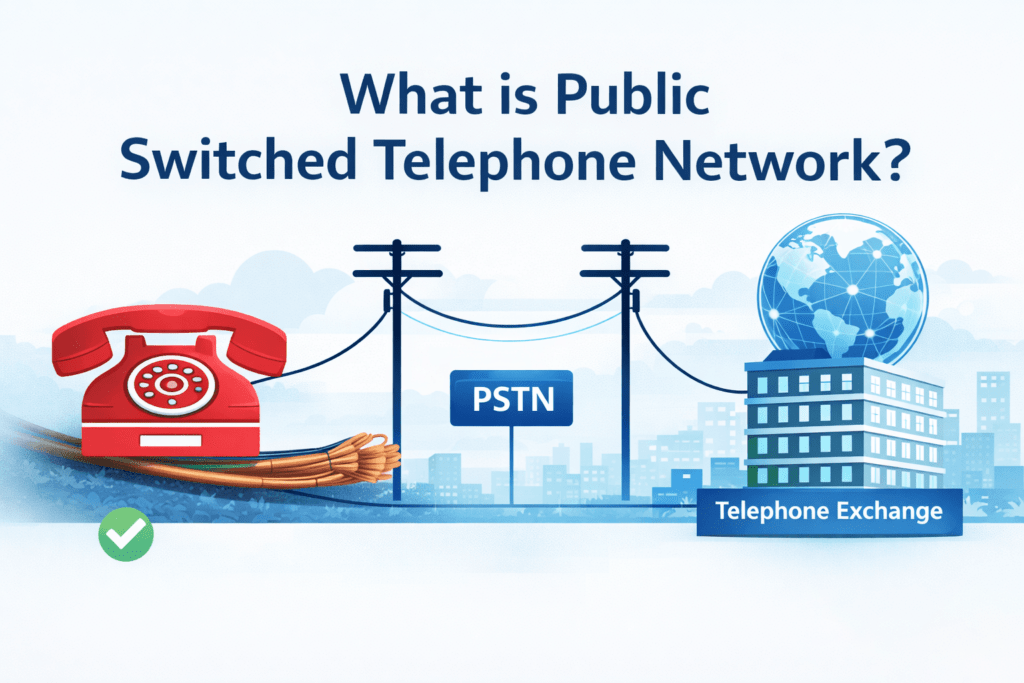
SIP trunks use SIP protocol to establish connections between a company’s private branch exchange (PBX) system and the public switched telephone network (PSTN).
SIP trunks have revolutionised the way businesses handle their communication needs. By leveraging SIP trunks, companies can consolidate their communication channels, reducing the complexity and cost associated with managing multiple phone lines. This shift to a virtualised communication infrastructure offers businesses greater flexibility and scalability, empowering them to adapt to changing demands and expand their reach.
How Does a SIP Trunk Work?
A SIP trunk works by transmitting voice, video, and other unified communications services as data packets over an IP network. This method of transmission leverages the efficiency and scalability of internet-based communication. Here’s a simplified breakdown of the process:
Connection: A business connects its PBX system to the internet using a SIP trunk service provider.
This connection allows the PBX to communicate with the PSTN for inbound and outbound calls. The service provider acts as an intermediary, routing calls between the business’s internal network and the external telephone network. 2. Call Setup: When a call is made, the SIP trunk uses the SIP protocol to set up the call, similar to how SIP initiates a session between two endpoints. It sends an INVITE message to the recipient’s device or network. This process is seamless and transparent to the end-users, providing a consistent experience regardless of the underlying technology. 3. Data Transmission: During the call, voice data is compressed and converted into data packets that travel over the Internet. This process is known as packet-switching and allows for efficient use of network resources. Packet-switching also enables features like call recording and analytics, providing businesses with valuable insights into their communication patterns. 4.
Call Termination: Once the call is completed, the SIP trunk uses the SIP protocol to terminate the session, ensuring a clean disconnection from the recipient’s network. This ensures that all parties are aware that the call has ended and that no resources are unnecessarily tied up.
Benefits of Using SIP Protocol and SIP Trunks
SIP and SIP trunks offer numerous benefits for businesses and individuals alike, transforming the way we communicate and collaborate.
Cost Efficiency
Traditional telephone lines can be expensive, especially for businesses with high call volumes. SIP trunks eliminate the need for physical business telephone lines, reducing costs and enabling more flexible pricing models. This cost-efficiency is particularly beneficial for businesses that operate in multiple locations or have remote employees, as it allows them to consolidate their communication expenses.
Additionally, the reduction in infrastructure costs associated with SIP trunks allows businesses to allocate resources to other strategic areas. This financial flexibility can be a significant competitive advantage, enabling companies to invest in innovation and growth initiatives.
Scalability
SIP trunks allow businesses to scale their communication systems effortlessly. Whether you need to add more lines or reduce capacity, SIP trunks can adapt to your needs without requiring physical infrastructure changes. This scalability is invaluable for growing businesses, as it allows them to expand their communication capabilities in line with their growth trajectory.
Moreover, the ability to quickly scale up or down enables businesses to respond to seasonal fluctuations or unexpected spikes in demand without disruption. This agility ensures that companies can maintain high levels of service quality, regardless of the circumstances.
Enhanced Features
SIP protocol supports a wide range of communication features, including video conferencing, instant messaging, and presence information. This versatility enhances communication capabilities and improves collaboration among team members. By integrating these features into a single communication platform, businesses can streamline workflows and reduce the need for multiple, separate tools.
The enhanced features supported by SIP also enable businesses to create more engaging and interactive communication experiences for their customers. This can lead to improved customer satisfaction and loyalty, as well as increased opportunities for upselling and cross-selling.
Global Reach
With SIP trunks, businesses can establish a local presence in different regions without physical offices. This capability enables companies to expand their reach and connect with customers worldwide.
By leveraging SIP trunks, businesses can offer local phone numbers in various countries, making it easier for international customers to reach them.
This global reach also opens up new markets and revenue streams for businesses, allowing them to grow their customer base and increase their market share. The ability to operate on a global scale without significant infrastructure investments is a game-changer for many organisations, particularly those in competitive industries.
Real-World Applications of SIP Protocol

by Compagnons (https://unsplash.com/@sigmund)
SIP protocol is widely used in various applications, from business VoIP services to large-scale enterprise communication systems. Its adaptability and robustness make it suitable for a range of use cases, each of which benefits from SIP’s unique capabilities.
Here are a few examples of how SIP is utilised in the real world:
VoIP Services: Many internet-based phone services rely on SIP to enable voice calls over the internet. This technology provides an affordable alternative to traditional phone lines for individuals and businesses. By using SIP, VoIP services can offer competitive pricing and innovative features, attracting a broad customer base.
Unified Communications: SIP is a fundamental component of unified communications platforms, which integrate voice, video, messaging, and collaboration tools into a single solution. This integration streamlines communication and enhances productivity. Unified communications platforms enable organisations to break down silos and foster a culture of collaboration, driving innovation and efficiency.
Call Centres: Call centres use SIP to efficiently manage high volumes of inbound and outbound calls.
The protocol’s ability to handle concurrent sessions and dynamic call routing makes it an ideal choice for these environments. SIP’s features, such as call queuing and load balancing, enable call centres to deliver exceptional customer service, even during peak times.
Conclusion
Understanding the basics of SIP protocol is essential for anyone interested in modern communication technologies. As a versatile and cost-effective solution, SIP enables seamless voice and video communication over the internet, transforming how we connect with others. Its adaptability to various communication needs and environments makes it a valuable asset for both businesses and individuals.
Whether you’re a business looking to streamline your communication infrastructure or an individual seeking an affordable business phone service, SIP and SIP trunks offer a reliable solution for your needs.
By leveraging the power of SIP, you can enhance your communication capabilities and stay connected in today’s digital world. This understanding empowers you to make informed decisions about your communication strategy, ensuring you remain competitive and responsive in an ever-evolving landscape.