
ou glance at your screen and see ‘4G’ one minute, then ‘LTE’ the next. Is your device confused? In practice, this flip-flop simply indicates your phone is hunting for the best mobile data signal strength to keep your apps running smoothly.
Think of mobile networks as digital motorways. According to mobile operators, LTE (Long Term Evolution) was built as a bridge to true fourth-generation wireless speeds. Wondering why does my phone show lte instead of 4g? It usually means you are just riding in a specific lane of that same internet motorway.
Marketers often use both terms interchangeably today. The comparison between lte vs 4g reveals that your device isn’t failing—it is actually working perfectly to prevent that dreaded buffering wheel while streaming video.
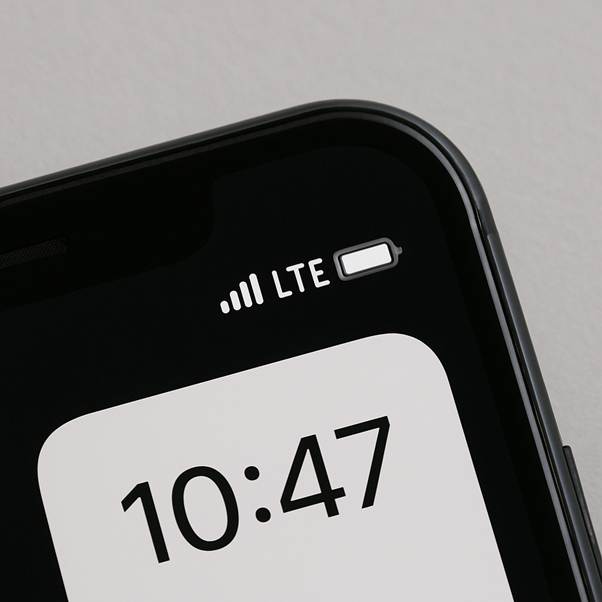
The ‘G’ Mystery: Why LTE Was a Marketing Compromise
You already know the “G” on your phone stands for generation. However, the initial rollout of “4G” was actually a bit of a marketing stretch. Companies desperately wanted to sell the next big thing before the technology was genuinely ready.
A global regulatory group established the itu-r wireless communication standards to define exactly how fast “True 4G” should be. Their official rulebook demanded internet speeds that were completely impossible for mobile operators to deliver at the time.
To solve this gap, the industry created a placeholder called LTE, which stands for Long Term Evolution. When upgrading from 3g to lte, networks finally shifted to a modern design built primarily for internet data rather than just voice calls. Having this long term evolution architecture explained simply means it was a technological bridge, promising we would eventually hit those official 4G speeds.
Eventually, the physical mobile masts caught up to the early marketing hype. This technological evolution directly impacts your daily usage, setting the stage for how LTE and 4G affect gaming and streaming today.
Speed Reality Check: How LTE and 4G Impact Your Gaming and Streaming
Streaming a movie relies on your download speed, while sharing a video with friends requires upload speed. The differences in upload speeds between mobile standards explain why a live broadcast might play flawlessly on your screen, even if your own clips take forever to publish.
To guarantee those flawless streams, industry experts established strict true 4g download speed requirements. The official rulebook demanded an impressive 100 Megabits per second (Mbps) even for users riding in moving cars or trains. While early technology fell noticeably short, modern masts eventually hit the peak data rates for 4g networks that providers originally promised.
Raw bandwidth is not the whole story, however. Think of download speed as the number of lanes on a motorway, while latency is the actual speed limit controlling how fast data travels from point A to point B. Minimising this mobile data latency for online gaming acts as the secret ingredient that prevents your connection from lagging or freezing at the worst possible moment.
Here is how everyday smartphone habits actually compare on standard LTE versus theoretical 4G:
- Watching Netflix: Standard LTE easily handles normal high-definition, while 4G prevents buffering on ultra-HD screens.
- Multiplayer Gaming: 4G delivers the near-instant reaction times that basic LTE occasionally delays.
Because standard LTE still needed a final, powerful push to maintain these top-tier benchmarks consistently, the mobile industry had to introduce one last major upgrade.
The ‘Turbo’ Upgrade: How LTE-Advanced Finally Hit ‘True 4G’ Speeds
To give networks that final boost, engineers created LTE-Advanced (or LTE-A). If regular LTE was the bridge to better internet, LTE-A is the turbo button that finally crossed the finish line. In fact, the main difference between 4g and lte-a is practically nonexistent; LTE-A is simply the upgraded technology that achieved the blazing-fast speeds originally promised by the 4G label.
The secret behind this boost is a clever trick called Carrier Aggregation. Imagine your phone usually downloads a movie using a single motorway lane. This feature allows your device to pull data from multiple lanes simultaneously and combine them into one massive connection. Because city mobile masts have more lanes available to merge, you will clearly notice the positive impact of carrier aggregation on data speeds in urban centres compared to rural spots.
Upgrading these internet pipelines meant your phone could finally handle massive downloads without breaking a sweat. With video buffering officially solved, the telecoms industry turned its attention to fixing those scratchy, dropped phone calls of the past.
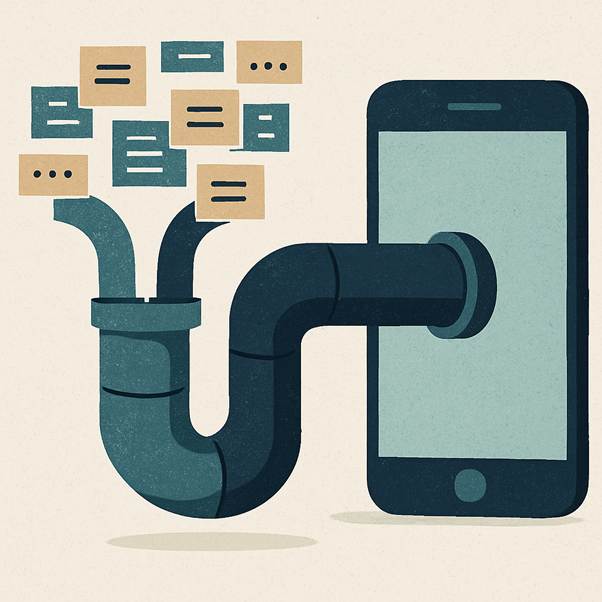
Crystal Clear Conversations: Why VoLTE Beats Old-School Calling
For years, making a phone call meant your device briefly switched back to older, slower networks, which is why conversations often sounded like you were talking through a tin can. That changed with VoLTE (Voice over LTE). If you have ever wondered what does lte stand for in mobile networks, it means “Long Term Evolution”—and it evolved to carry your voice as digital internet data rather than traditional radio waves.
When looking at volte vs legacy voice calls, the modern upgrade provides three massive everyday benefits:
- Better Sound: HD Voice technology eliminates muffled audio so friends sound like they are in the room with you.
- True Multitasking: Your internet connection stays fast, letting you smoothly load Google Maps while actively talking.
- Mandatory Survival: Major mobile networks are completely shutting down their old infrastructure, making this upgrade essential for your phone to work.
Because the telecoms industry fully embraced this shift, your smartphone handles the heavy lifting seamlessly in the background. With your calls and videos working flawlessly, the next consideration is whether your current connection remains sufficient or if it is time to upgrade to 5G.
Your Mobile Future: Knowing When Your LTE Connection is Enough
You no longer need to stress over confusing screen icons. The verdict on lte vs 4g is simple: both provide excellent speeds for everyday streaming and scrolling. Unless you download massive files, your current setup is plenty fast.
If your connection feels sluggish, don’t rush to buy a new device. Figuring out how to improve mobile data signal strength is often as easy as removing a thick phone case or stepping near a window. Try these quick adjustments to see immediate results.
While mobile networks advertise the transition from lte to 5g technology, this is a gradual evolution, not an overnight necessity. You can confidently enjoy your current phone knowing those trusty network bars will keep you reliably connected for years to come.


